
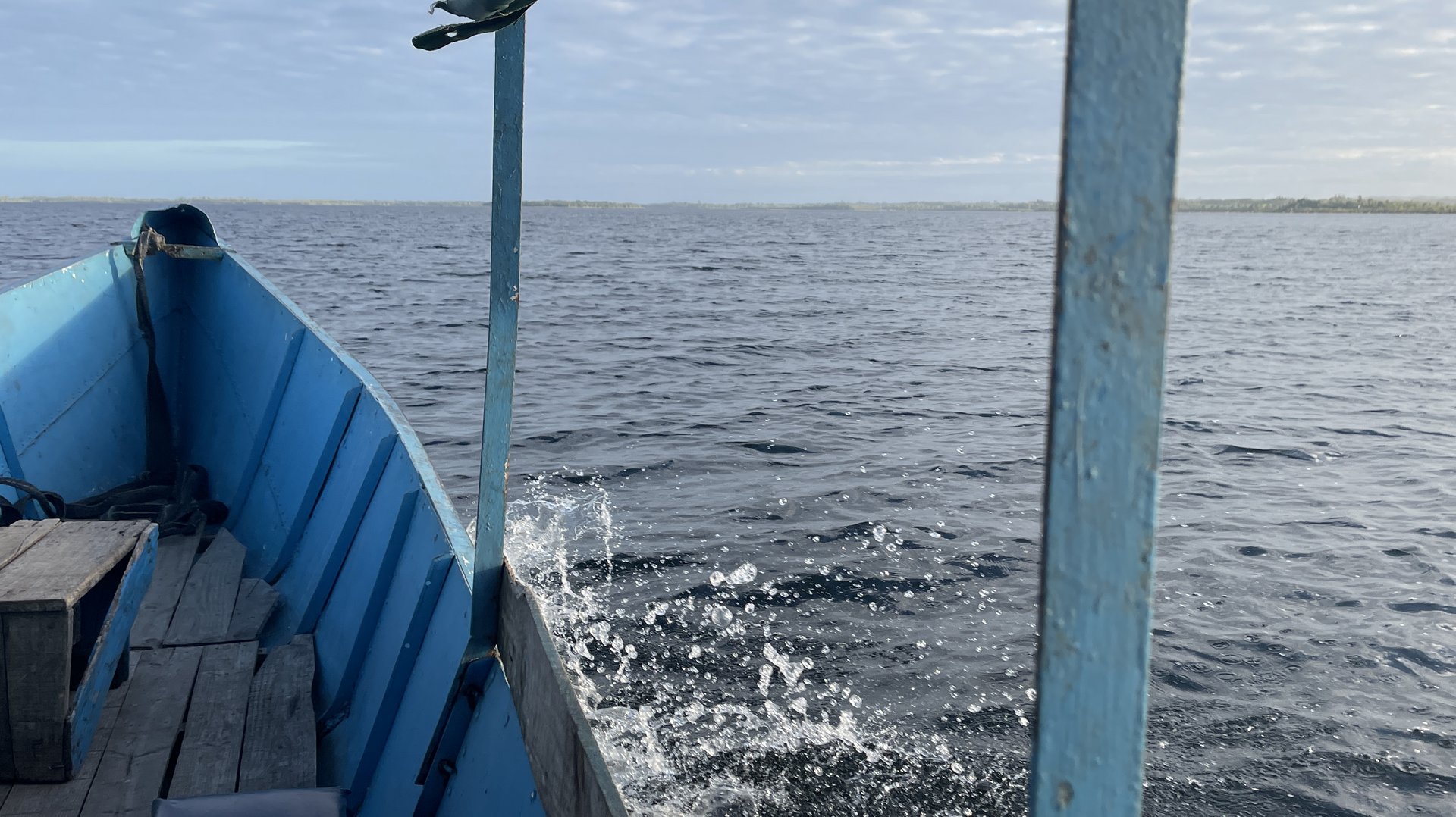
Protein supply and local value creation through a central and satellite farm model.
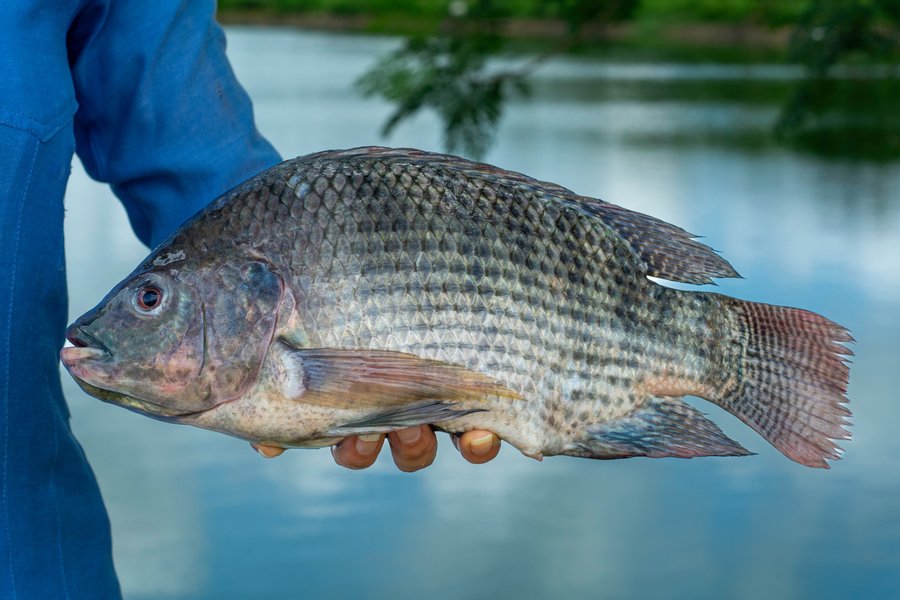
An integrated tilapia value chain in Madagascar, built to strengthen local protein supply, reduce import dependency over time, and create durable rural jobs across production, processing and logistics. Terra Vestis supports the project through partnership and a long-term, operationally grounded approach.
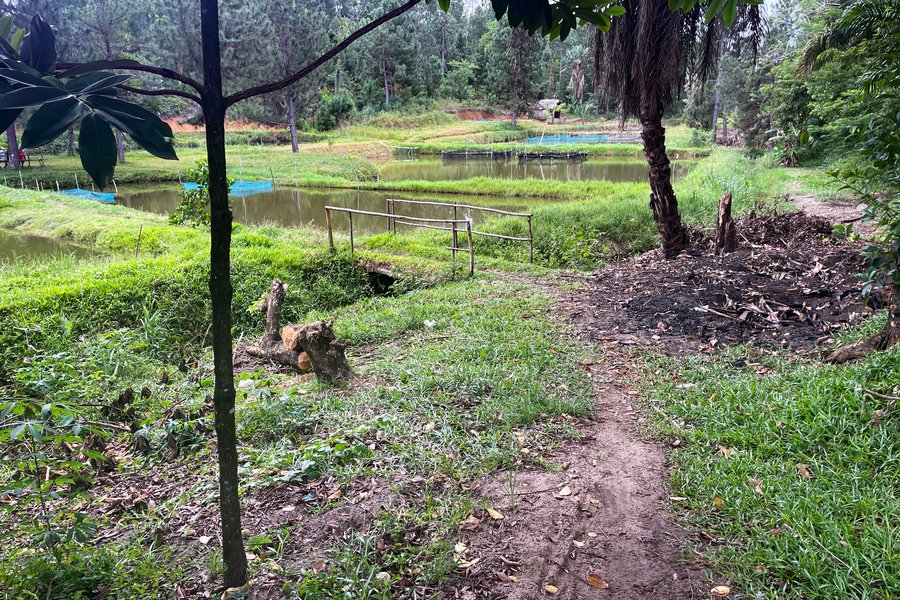
Fish farming is well suited to a Central Farm and Satellite Farm structure creating economies of scale while enabling smaller producers to participate.
A central operation provides structure and capacity (including key capabilities such as hatchery development), while satellite farms participate through integration into the value chain. The intent is scalable production and local participation through structured mechanisms.
Before Terra Vestis, the project was viable but fragmented. Terra Vestis supported a shift toward a more integrated and structured setup. Helping strengthen the business model, increase credibility with partners, and anchor a long-term vision, while leaving operational decisions and local anchoring with the project leadership.

“The strongest proof that this project creates local value is the creation of durable, skilled jobs in rural areas across production sites, processing, and logistics.”
Nantenaina Rakotoarijao Project leader, Tasty Tilapia in Madagascar
Impact is defined through what the model enables in practice: local protein supply, durable employment, and progressive import substitution through local production capacity.
250+
direct jobs will be created
500
indirect jobs for logistics,
sales points and infrastructure
150
small holder families will benefit from the project

Terra Vestis partners with strong project leaders through disciplined capital, clear boundaries, and integrity standards.